There’s a moment that sticks with me from a conversation I had with Dorka not long ago. We weren’t talking about travel. We weren’t even talking about the Dominican Republic. We were just talking, and somehow we landed on the subject of what surprised her most when she first got to America.
She didn’t hesitate. “The food,” she said. And then, almost in the same breath: “The waste.”
That second one caught me off guard. If you’ve ever walked down an American street on bulk trash day, you know exactly what she meant. But I was surprised by how much it seemed to bother her. Not in an angry way. More like she genuinely couldn’t wrap her head around it.
The Food Hit Different
Before we get to the waste, let’s start where she did — with the food.
Dorka grew up in Yamasá, a small city in the Monte Plata province of the Dominican Republic. Fruits and vegetables weren’t a lifestyle choice out there. They were just what people ate. The markets are full of them. They’re fresh, they’re local, and they’re everywhere.
So when she got to the States, the first thing she noticed wasn’t the size of the portions or the pace of the restaurants. It was the meat. The burgers. The pizza. The fact that you could drive five miles and pass a dozen fast food spots and maybe one produce stand — if you were lucky.
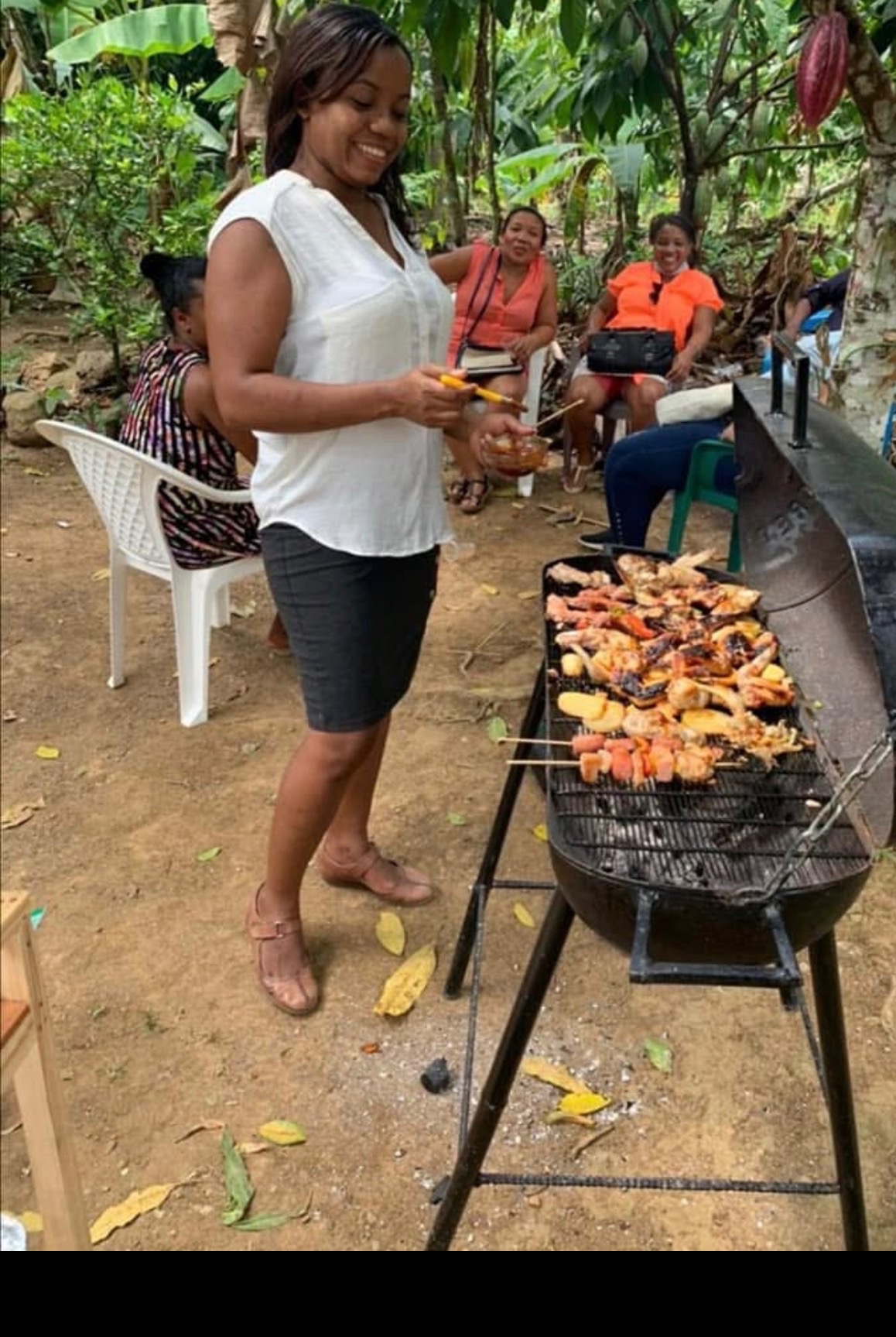
I grew up here and never noticed it until she pointed it out. But once she said it, I couldn’t unsee it. Watching her eat a burrito once, struggling through even the smallest bit of spice, led to a whole other conversation. I always assumed Latin food meant spicy food. Turns out that’s more Mexico than island. Dominican food is flavorful, but the heat is subtle. There’s a difference, and it matters.
What she was really describing wasn’t just a different menu. It was a different relationship with food altogether. Back home, the base of the meal is produce. Here, it’s protein and processed. Neither one is wrong, but if you’re heading to the DR for the first time and visiting family, don’t be surprised if the table looks very different from what you’re used to. In a good way.
The Streets Tell You Something
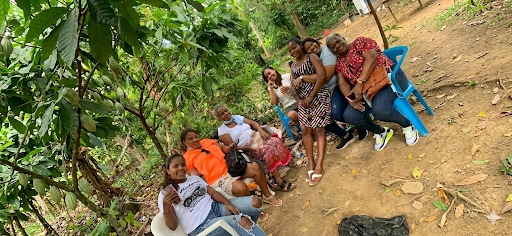
Food was the first thing. The streets were the second — and that one runs deep enough that it deserves its own conversation. If you want to understand what it actually feels like to walk into a Dominican neighborhood for the first time, that’s what Visiting Family in the DR is about. The short version: people are outside, they know each other, and they will know you too before long.
But the waste thing. That one she kept coming back to.
Nothing Gets Thrown Away
In the United States, you can walk down a residential street and find a microwave on the curb. A television. A refrigerator. Sometimes a computer. A lot of that stuff still works. It’s just old, or someone upgraded, or it became inconvenient to deal with.
To Dorka, that was almost incomprehensible.
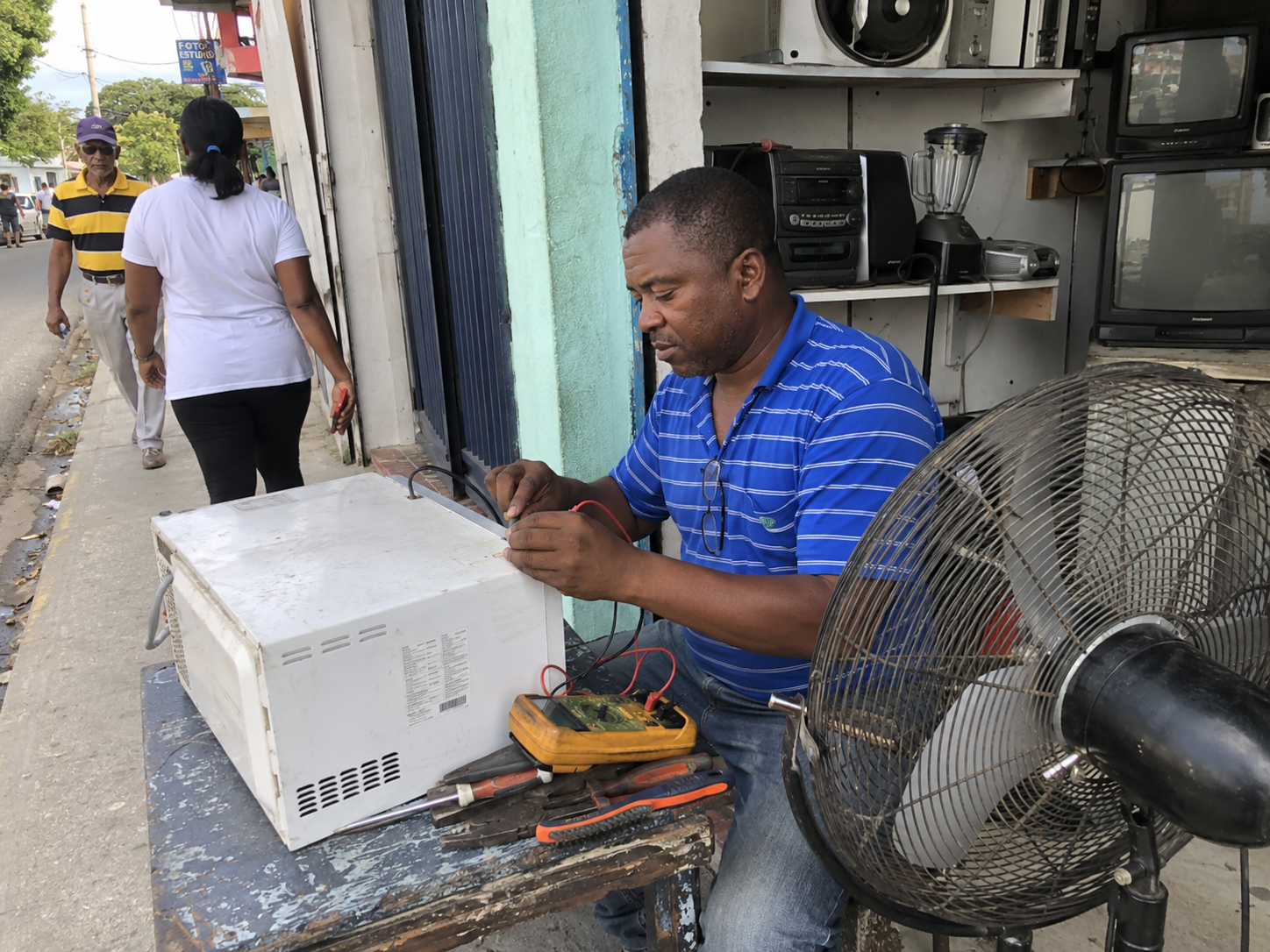
In the Dominican Republic, things are expensive. Not just luxury items — everyday things. Appliances, electronics, furniture. When something breaks, you don’t replace it. You fix it. And if you don’t know how to fix it yourself, you know someone who does. There’s always someone in the neighborhood who can get a microwave running again, or a fan, or a washing machine. That knowledge gets passed around because it has to. Nothing gets thrown away because nothing can be thrown away.
She said if you ever see something like a microwave or a TV sitting out in the street over there, it means it’s truly, completely done. Beyond saving. Because anything that still has any life left in it would already be inside someone’s home — or on its way to one.
And beds? She laughed when I brought that one up. You don’t throw away a bed. You give it to someone. There are people who would be genuinely grateful for a mattress that an American would leave at the curb without a second thought. If you have one to get rid of, you don’t need a junk hauler — you just need to ask around.
She didn’t use the word “wasteful” when she described it. But that’s what she was seeing. A place where abundance had quietly become waste, and where that seemed so normal that most people didn’t even notice.
What This Means For You
If you are going to visit family in the Dominican Republic for the first time, a lot of your expectations will flip.
The food will probably surprise you in the best way. The streets will feel more alive than anything you’re used to back home. And the way people take care of what they have, fix what’s broken, and share what they don’t need anymore — that’s going to hit you somewhere quiet, if you let it.
Dorka wasn’t criticizing America when she told me all this. She was just describing what she saw. But sometimes the most honest picture of a place comes from someone who arrived from somewhere else and saw it fresh.
That’s the angle I want to bring to this site. Her eyes, your trip. The real thing — not the resort version.
Continue Reading