Most people who’ve spent time in the Dominican Republic know Baní the same way — as something you pass through on the Sánchez Highway between Santo Domingo and the southwest. Ask someone who actually grew up here, and that’s usually the first thing they’ll correct. Reducing Baní to a highway stop misses a province that keeps changing under you in a way few others do.
A Province of Four Landscapes
Drive in from the east and the land is dry — cactus-covered hills, a climate noticeably harsher than the green mountain image most people carry of the country. Keep going and it turns into orchard country, the kind that produces some of the Dominican Republic’s best-known mangoes. Push toward the coast and the ground turns white with the salt flats at Salinas, still worked the way they’ve been worked for generations. Somewhere behind you, the freshwater river at La Yayita cuts through the northern hills, filling on hot afternoons with families who came out for exactly that reason. Four landscapes, none of them expected to sit this close together, all inside one province.
Paya’s Dulces
The food tracks the same pattern of surprise. Just outside town in Paya, roadside stops like Las Marías sell dulces — rich milk sweets, coconut candies, preserved fruit — that Dominican families have been building into road trips for longer than food tourism has existed as an idea. Purists will tell you Cuchito is the real version, worth the extra few minutes. It’s not a planned stop so much as an inherited one; ask anyone who’s grown up making this drive and there’s a good chance they can’t imagine passing through without it.
Mango Season or the Coast
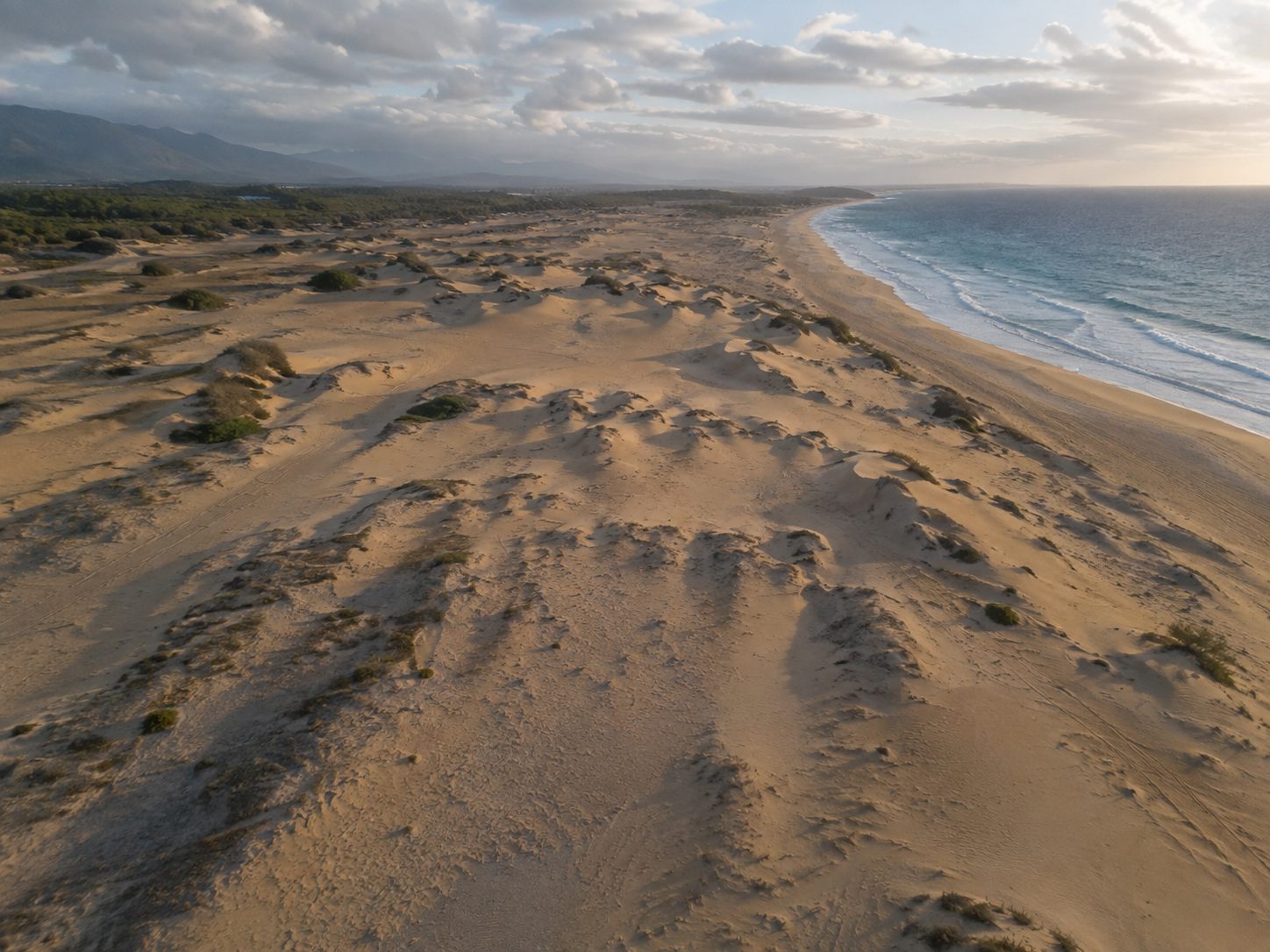
Come during mango season and the province leans into what it’s actually known for — stands lining the roads, a festival that draws people in from well outside Peravia, the kind of pride that comes from something being part of daily life rather than staged for visitors. Head to the coast instead and the day looks different again: fried fish, tostones, the dunes rolling out unlike anything else in the Caribbean, shaped entirely by the wind coming off the water.
That range is the actual story of Baní. It’s not one identity, dressed up to seem interesting. It’s a province where the desert gives way to orchards, the orchards give way to salt flats, and the salt flats give way to a coast — often within the same afternoon. If your family brings you here, the version of the day depends entirely on which direction they decide to take you. Whichever one it is, it’s worth staying long enough to see that Baní isn’t the pause before the real destination. For a lot of people who grew up here, it already is one.