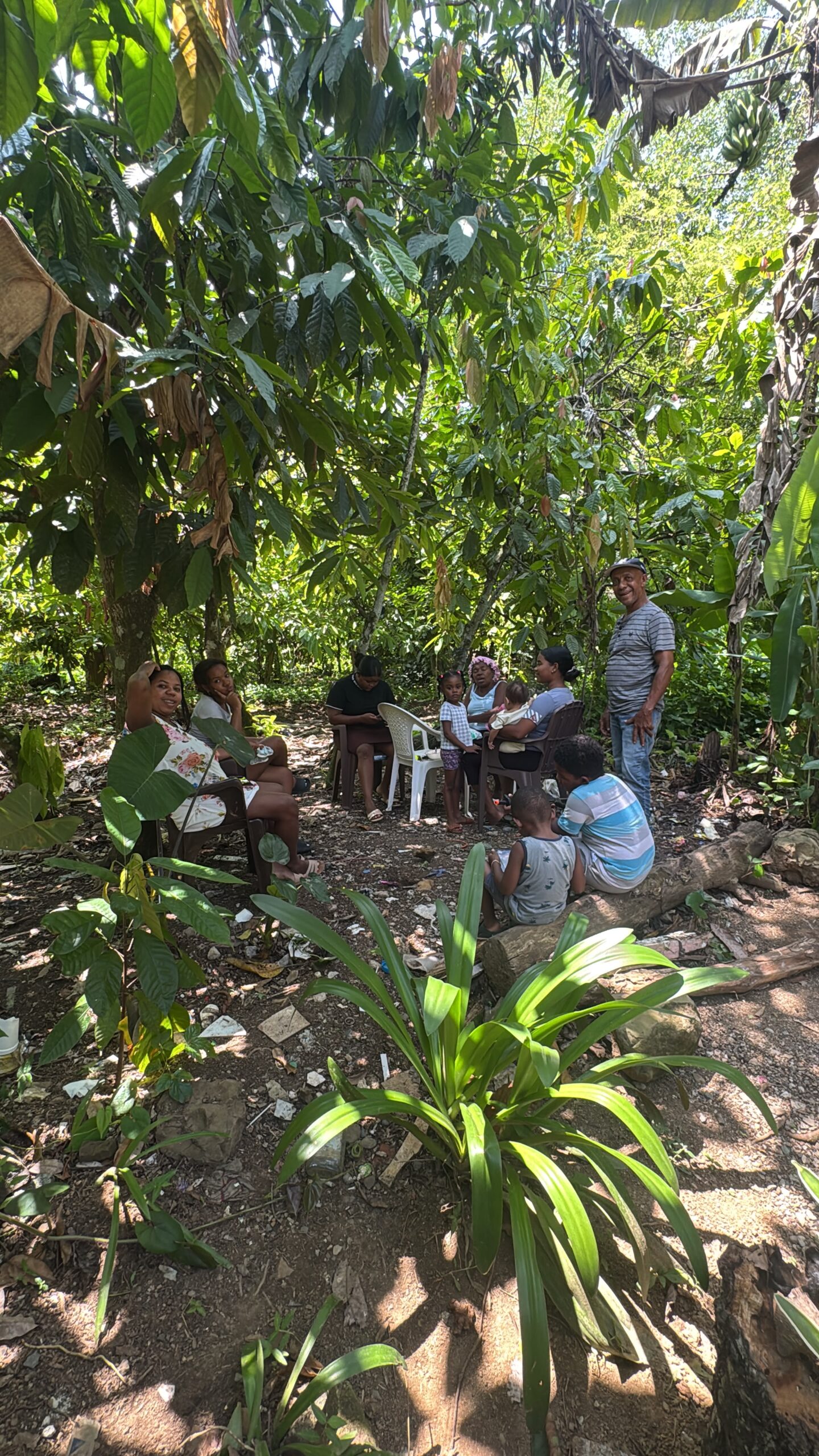
In rural Yamasá, making hot chocolate from scratch is still an ordinary morning habit. Bolas de cacao, hand-rolled with cinnamon and nutmeg, bought at the market or made at home, boiled down over a wood stove. It’s not staged for anyone visiting. It’s just what breakfast looks like here.
The same instinct for doing things by hand shows up in the La Mina sector, where the Guillén family keeps an open-air ceramic workshop running, turning out Taíno-style pottery the way it’s been made for generations — kilns you can watch, pieces you can buy straight from the people who made them. Underneath both of those sits something a visitor won’t stumble into on an ordinary day: palo drumming, sacred and tied to specific religious brotherhoods, that surfaces during patron saint festivals and private religious vows rather than on a random Tuesday.
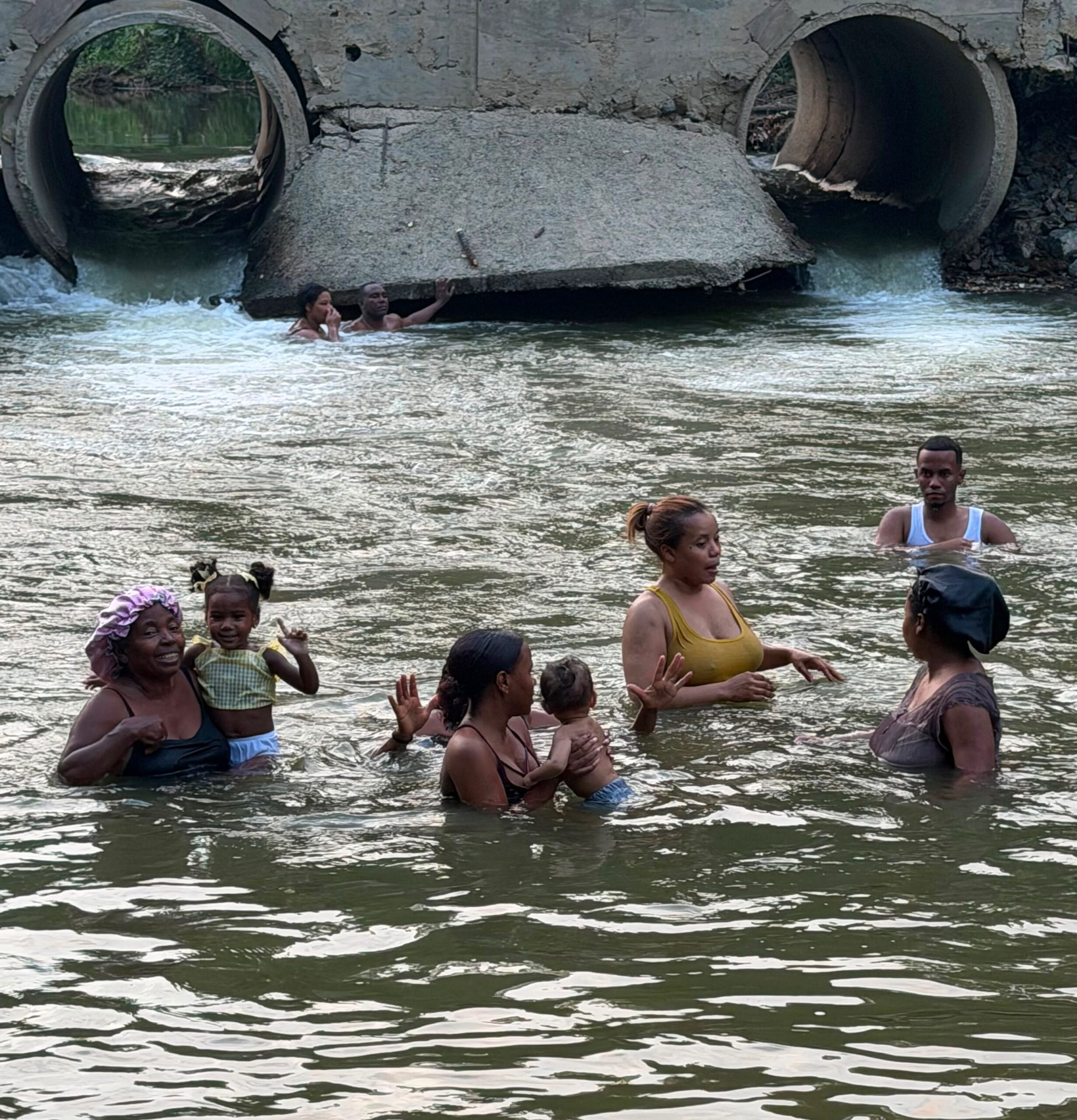
When the heat gets to be too much, families head down to the Río Ozama — a favorite local cooling-off spot, the kind of place where an afternoon turns into three generations standing around in the water together, no directions needed once you’re local, because everyone already knows the way.
Everyday Yamasá
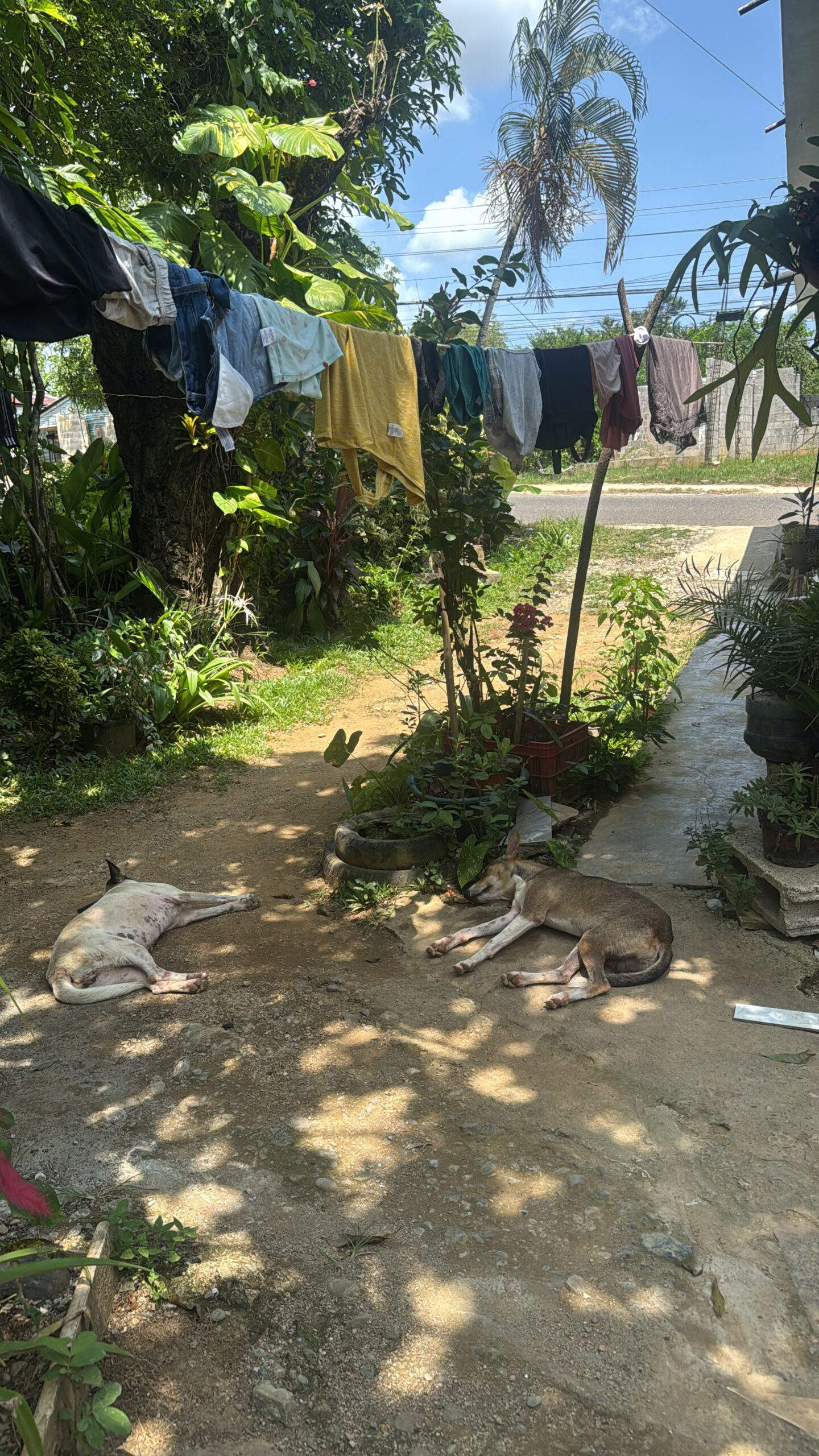
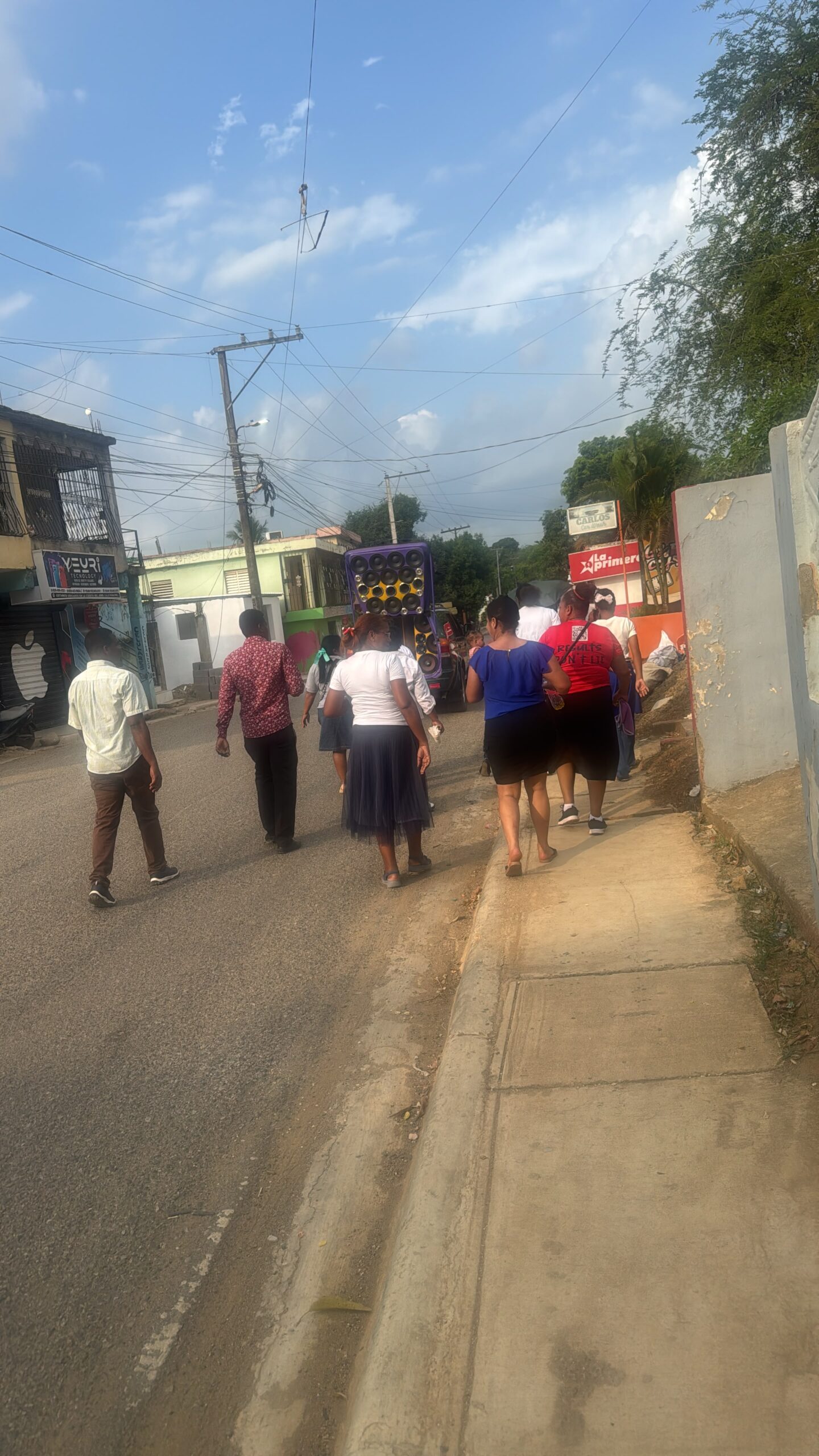
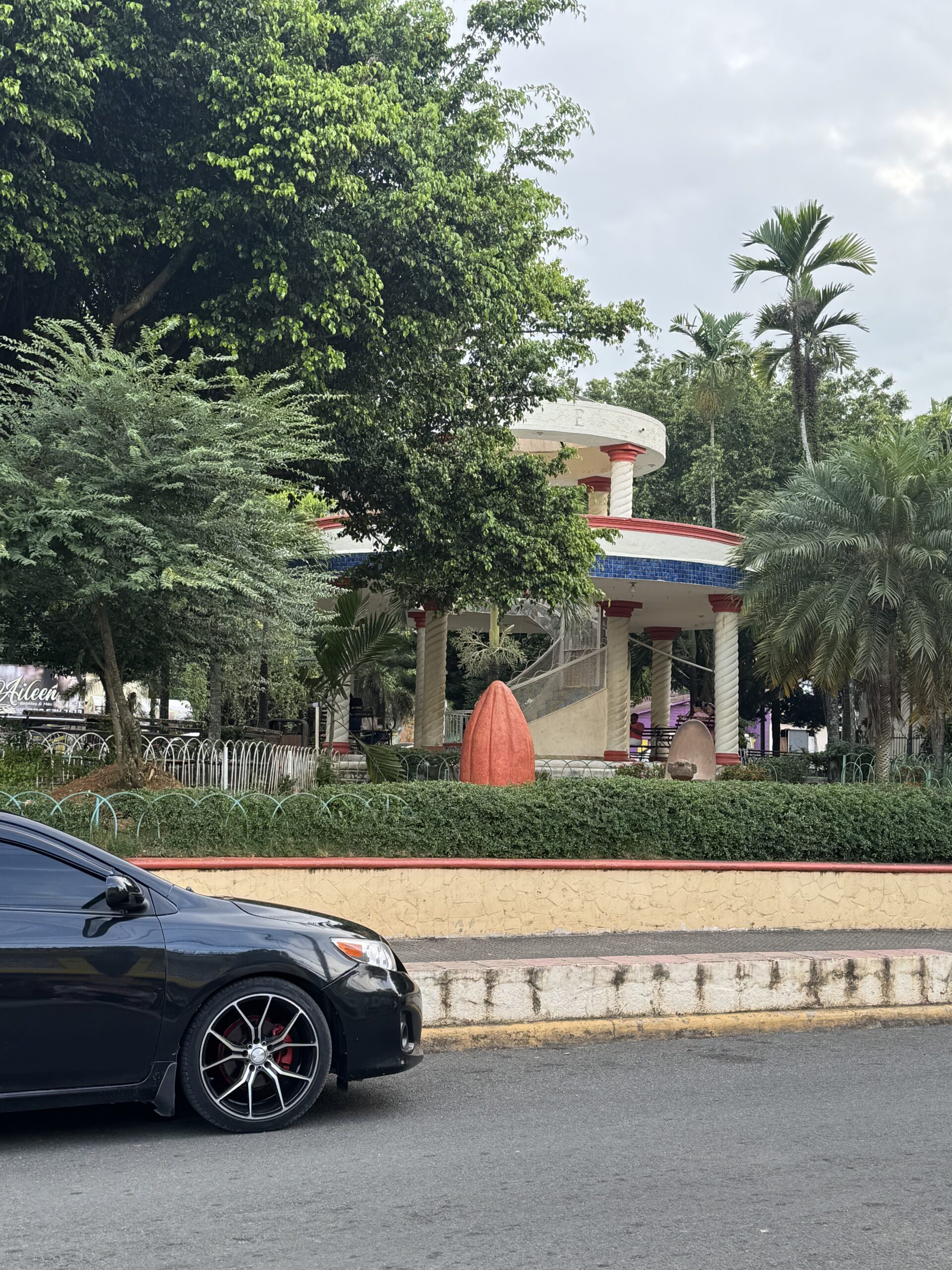
People who drive through Yamasá on the way to somewhere else tend to see it as agricultural pass-through country and nothing more. What they’re missing is that the clay, the cocoa, and the drums here all predate the road they’re driving on — this town was making things by hand long before anyone thought to call it a stop along the way.